

What Is Splitting?
Splitting is a term often used to describe a common experience for people living with Borderline Personality Disorder. It’s not an official symptom listed in the DSM-5, but it’s a well recognised concept that helps explain the unique way emotions, thoughts and relationships can feel when you have BPD.
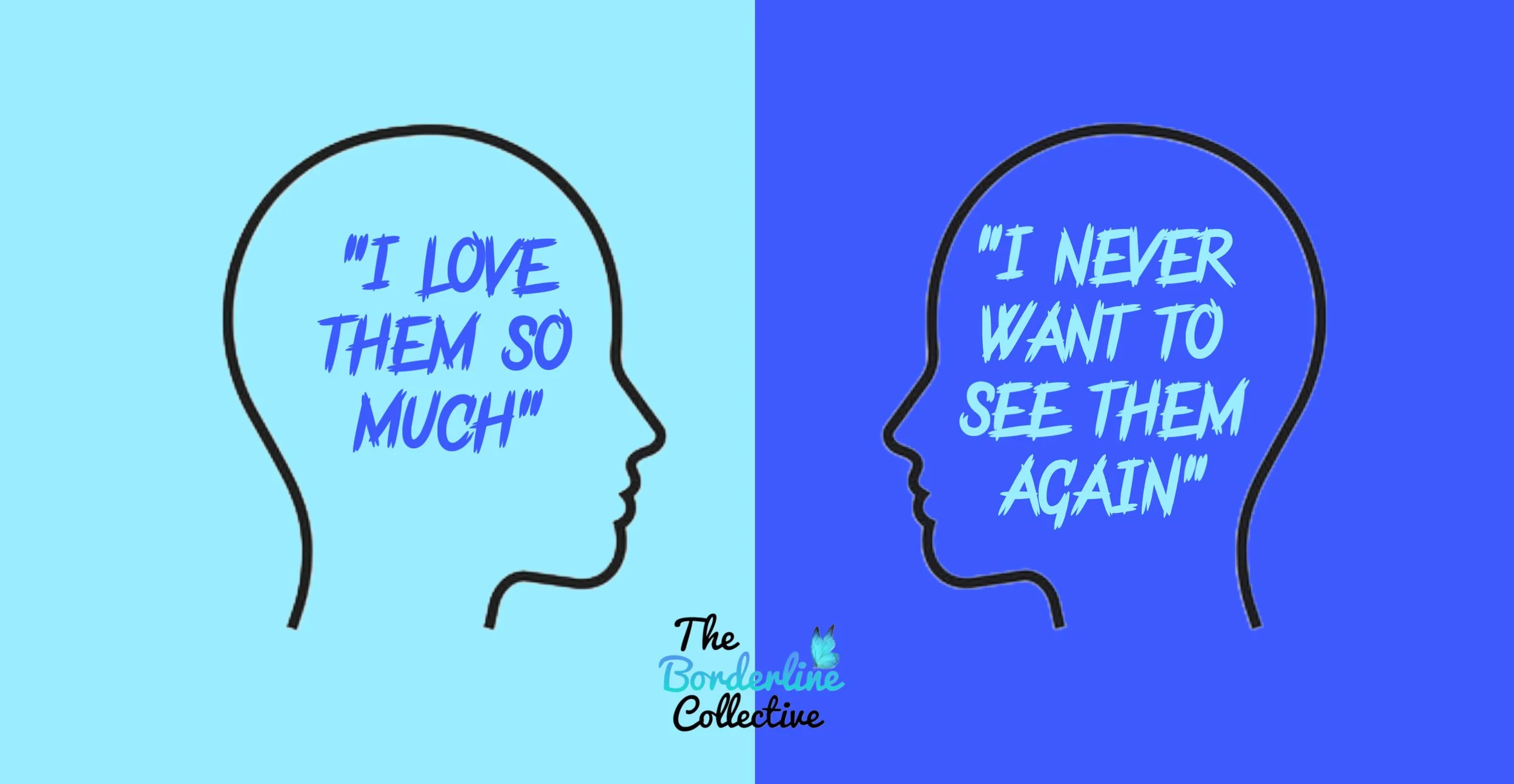
Understanding Splitting
Splitting refers to seeing people, situations or even yourself in extremes - all good or all bad with little middle ground. This "black and white" way of thinking can shift quickly depending on how safe, supported or threatened someone feels in the moment.
For example, a friend might feel like the most supportive and loving person one day, but after a conflict or moment of perceived rejection, that same friend might suddenly feel untrustworthy, uncaring or completely against you.
It’s important to know that these shifts aren’t manipulative or intentional. They're often a way of coping with intense emotions, fear of abandonment and a deep need for stability.

Why Does Splitting Happen?
Splitting is thought to be a defence mechanism. For many people with BPD, emotions can feel overwhelming, and separating the world into "all good" or "all bad" can make things feel simpler and more manageable in the moment. However, this coping strategy can also make relationships and self-image feel unstable.
How Splitting Shows Up
In Relationships: Quickly switching between idealising someone (seeing them as perfect) and devaluing them (seeing them as hurtful or uncaring).
With Self-Image: Feeling confident and capable one moment, then worthless or unlovable the next.
In Daily Life: Viewing situations as complete successes or total failures, without recognising the in-between

The Impact Of Splitting
Splitting can be distressing both for the person experiencing it and for the people around them. It causes conflict, confusion and unstable connections. But understanding splitting can also bring compassion, Its not about being "difficult", its about struggling with intense emotions that feel hard to regulate.
Moving Towards Balance
With support, therapy and coping strategies, its possible to recognise splitting when it happens and learn skills to manage it. Treatments such as Dialectical Behaviour Therapy (DBT) focus on building mindfulness, distress tolerance and emotion regulation. This can help bring awareness to black and white thinking and making space for more balanced perspectives.


Splitting doesn't define someone with BPD. It's just one way their brain has learned to cope with strong feelings. With time, understanding and support, it can become easier to find balance and stability.